
OneNature brought this question to the annual meeting of the International Society of Quality-of-Life Studies (ISQOLS) at the University of Kentucky.
ISQOLS provides an academic home for scholars, policy-makers, and practitioners from a wide range of disciplines to facilitate global knowledge sharing, collaboration, and learning. ISQOLS was created to understand how to define, measure, and improve quality of life.
Participation in ISQOLS allows OneNature to understand our mission in the context of the wide range of approaches to wellbeing in use in the world today.
Attending experts presented on the measurement of national and community wellbeing, the measurement of subjective wellbeing and behavioral outcomes, life satisfaction for a variety of demographic groups, and the cultural foundations of wellbeing.
-
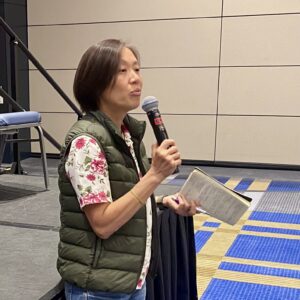
- Catherine Ho, Wonder-Education Reimagined, Beijing, our Discussant
-

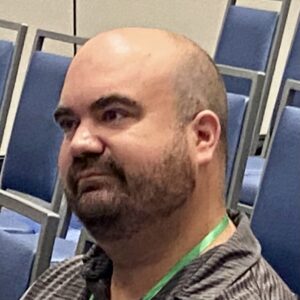
- OneNature Board member Dr. Craig Talmage
New Ways of Measuring and Advancing Wellbeing
In addition, presentations were made on new techniques for the measurement of wellbeing, such as the use of photojournalism techniques and the role of artificial intelligence.
Novel tools for wellbeing advancement, such as the use of video livestreams of nature to provide access to nature for those unable to access it directly, and the potential of communities of livestream viewers to advance social connection, were shared.
Today, much of the valuable work of the ISQOLS community focuses on fine-tuning the existing system to improve quality-of-life outcomes in response to contemporary concerns.
Many presentations at ISQOLS explored wellbeing within particular social groups. For example, one presentation we heard showcased policy and practice interventions to improve wellbeing and reduce recidivism rates among incarcerated youth.
Workplace wellbeing studies were presented, as were studies of wellbeing among immigrant communities. Debt, poverty, and economic status were popular themes, as were those of gender and social class.
Stepping Back to Ask a Bigger Question
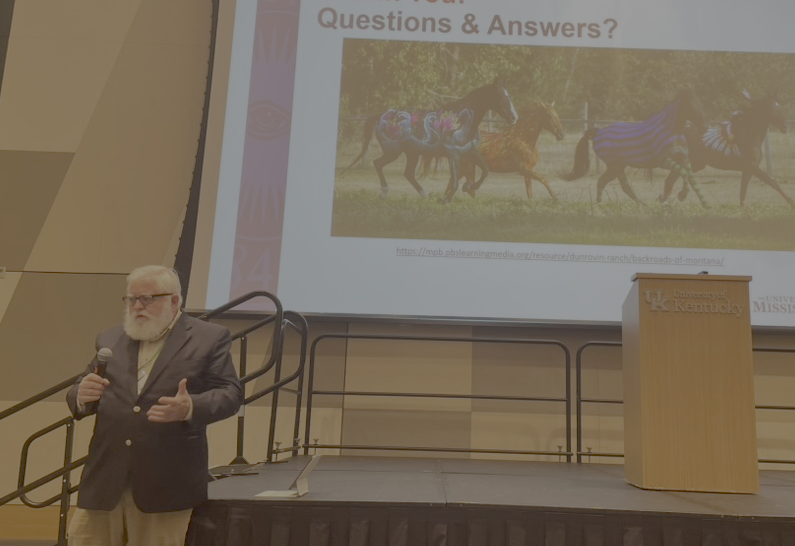
John Waugh ISQOLS chairing
In addition to the strong focus on attitudes, subjective sense of wellbeing, and individual perspective, there was a strong undercurrent of interest in stepping back from the dominant global socio-economic culture and looking at the concept of wellbeing anew.
This is a more philosophical approach to the concept of a “good life”. It is a useful counterpart to the important work of improving wellbeing for people where they are now.
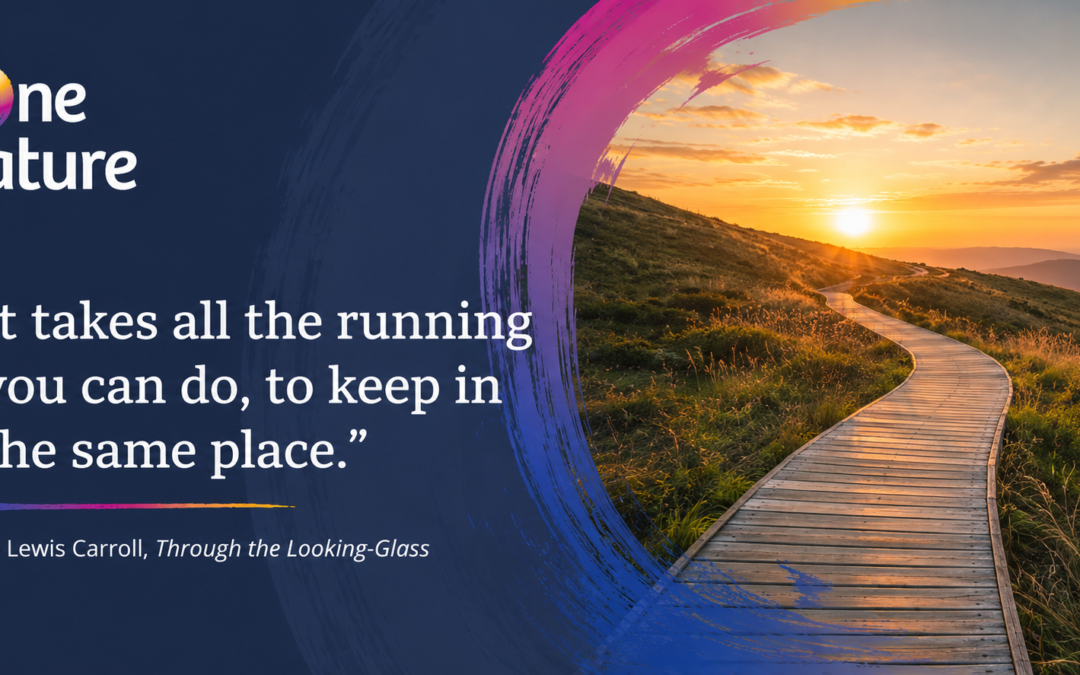
More and more people are questioning whether the world today can provide a path to the good life, as acceleration in the tempos of technology, economy, and information (to name a few) requires greater exertion just to maintain one’s position.
In Lewis Carroll’s Through the Looking-Glass, the Red Queen explains to Alice that:
“It takes all the running you can do, to keep in the same place.”
Are there, in other words, alternatives to the treadmill?
Nature and Indigenous Perspectives
In this vein, OneNature chaired a session on Nature and Indigenous Perspectives.
Our Program Specialist Ellen Emrich presented our work on wellbeing through Indigenous eyes, where we explored alternative narratives about wellbeing from outside the dominant culture of late modernity for different perspectives on the concept.
OneNature found many people at ISQOLS who share this concern, and this will enhance our network of people exploring the connections between wellbeing and sustainability — and possibly the opportunity to advance this line of inquiry in future ISQOLS sessions.
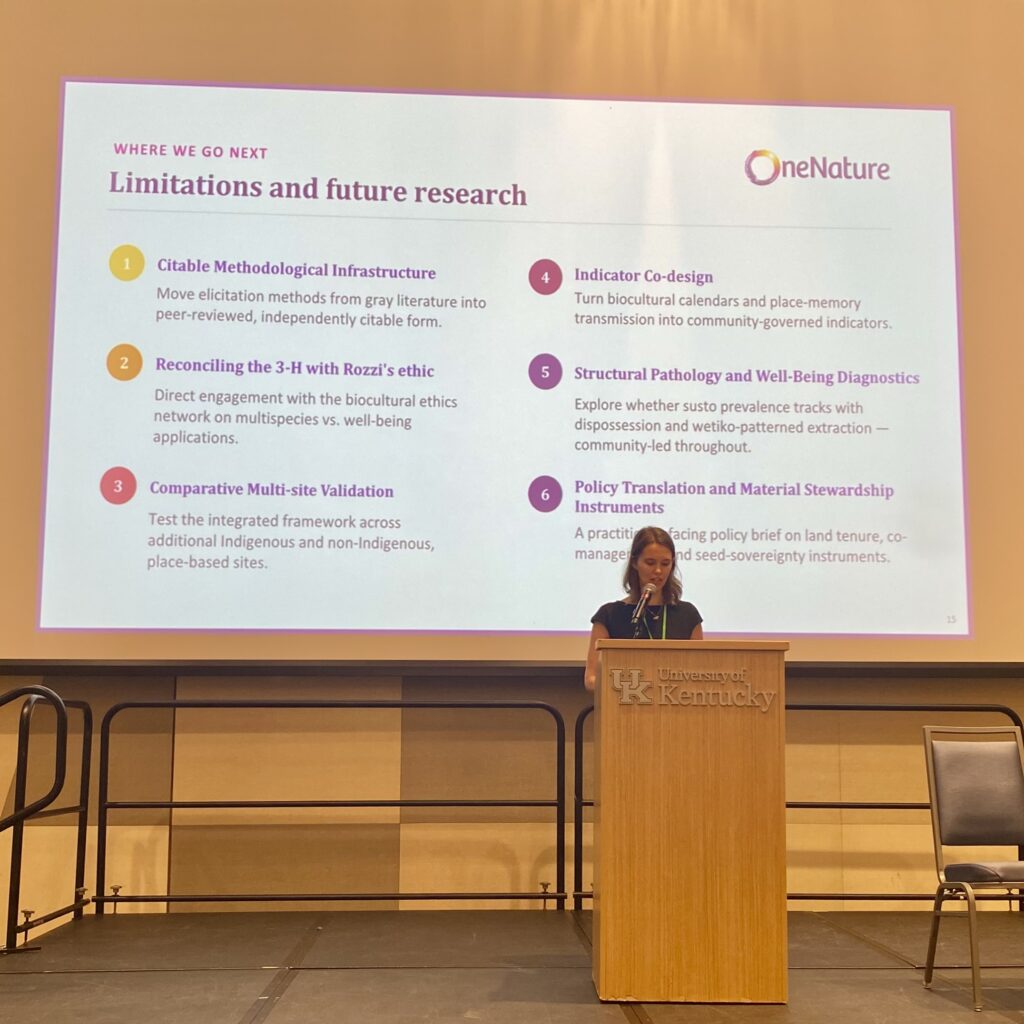
Ellen Emrich making the presentation
There may be no simple answer to what constitutes a good life. But by bringing together different perspectives on wellbeing, nature, culture, and sustainability, we can perhaps begin to ask better questions. We look forward to continuing that exploration with you.
Warm wishes,
John Waugh
Executive Director
OneNature Institute